Cleaning an air fryer without a basket can feel confusing. Most guides focus on basket-style models, but not all air fryers are the same. Some have trays, racks, or fixed shelves instead of removable baskets. If your air fryer doesn’t have a basket, you still need to keep it clean for safety, taste, and longer life.
This article will show you how to do that step by step. You’ll learn which tools to use, what mistakes to avoid, and how to keep your air fryer working like new. Let’s get started so your meals stay healthy and delicious.
Understanding Your Air Fryer Without A Basket
Air fryers without baskets come in different styles. Some use permanent trays, racks, or integrated shelves. These are often found in oven-style air fryers or large multi-function models. Cleaning them is different because you can’t simply pull out a basket and wash it.
Here are the main types:
- Oven-style air fryers: Look like mini ovens, often with wire racks or trays.
- Integrated tray models: The tray is fixed and can’t be fully removed.
- Rotisserie air fryers: May have spits or shelves instead of baskets.
Each type has its own cleaning challenges. For example, racks can trap grease, and fixed trays can make access tricky. Knowing your air fryer’s design helps you clean it properly.
Why Cleaning Matters
Food residue, grease, and crumbs build up quickly in air fryers. If not cleaned, they can cause:
- Smoke and smells: Old grease burns and makes your kitchen smoky.
- Poor taste: Residue affects the flavor of new meals.
- Fire risk: Built-up oil can catch fire.
- Shorter appliance life: Dirt can damage the heating element.
Research shows that regular cleaning can extend an air fryer’s life by up to 30%. It also lowers the risk of bacteria growth, keeping your food safe.
What You’ll Need
You don’t need fancy tools. Most cleaning can be done with common supplies. Here’s a basic list:
- Soft sponge or cloth
- Mild dish soap
- Baking soda
- Old toothbrush
- Plastic scraper (optional)
- Clean water
- Paper towels or microfiber cloth
Avoid harsh chemicals or abrasive scrubbers. They can scratch the surface and damage non-stick coatings.
Step-by-step Cleaning Guide
Follow these steps for a thorough clean, even if your air fryer doesn’t have a basket.
1. Unplug And Cool Down
Always unplug your air fryer and let it cool before cleaning. This prevents burns and electric shocks. Wait at least 30 minutes after cooking before starting.
2. Remove Loose Parts
If your air fryer has removable racks or trays, take them out. Place them in the sink for separate cleaning.
If parts can’t be removed:
- Move the air fryer so you can reach inside easily.
- Open the door fully for better access.
3. Clean The Inside
Start with the interior:
- Use a soft sponge with warm, soapy water.
- Gently wipe all surfaces, including the tray and walls.
- Use a toothbrush for corners and edges.
For stuck-on food:
- Sprinkle baking soda on stubborn spots.
- Let it sit for 15 minutes.
- Scrub gently with the sponge.
Never pour water directly into the air fryer. It can damage electrical parts.
4. Clean The Heating Element
This is often missed by beginners. The heating element gets greasy and dirty, especially in basketless models.
- Turn the air fryer upside down (if safe).
- Use a damp cloth to wipe the element.
- If grease is stuck, use a little baking soda and a toothbrush.
Always be gentle. Too much force can damage the element.
5. Clean The Door And Exterior
Wipe the door with a damp cloth. If your air fryer has a glass door, use glass cleaner for a streak-free finish.
For the exterior:
- Use a mild soap and water mix.
- Dry with a microfiber cloth.
6. Dry Everything
After cleaning, dry all parts with a towel. Leave the air fryer open for 30 minutes to air dry fully. This stops moisture from causing rust or mold.
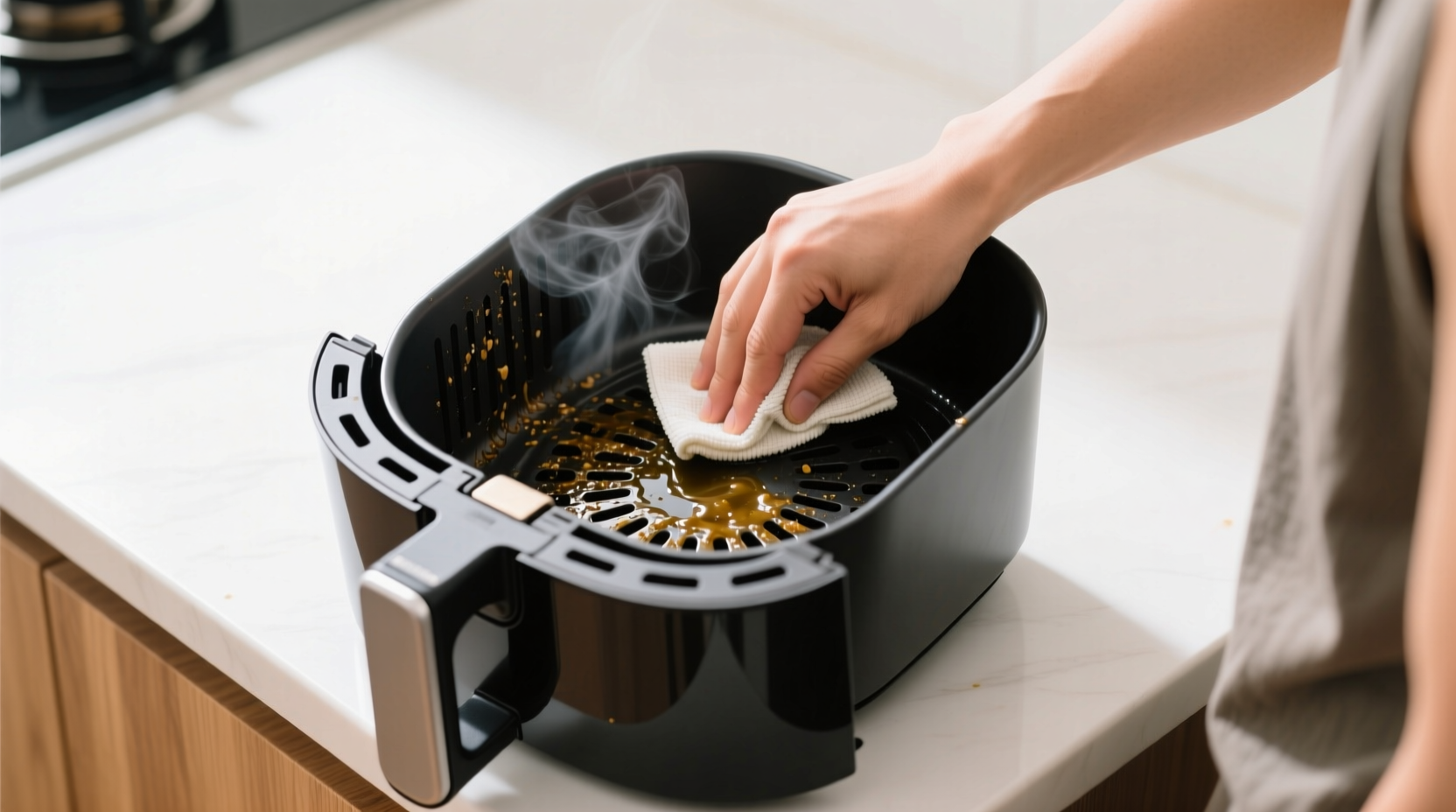
Credit: lifetips.alibaba.com
Practical Tips For Easier Cleaning
Keeping your air fryer clean doesn’t have to be hard. Here are some practical tips:
- Clean after every use: Food and grease are easier to remove when fresh.
- Use parchment paper: Lining trays with parchment reduces mess.
- Don’t soak fixed trays: Too much water can damage parts.
- Spot clean: If you don’t have time for full cleaning, at least wipe away crumbs and grease.
Many users don’t realize that leaving crumbs inside can attract bugs. It’s a small detail, but it matters.
Common Mistakes And How To Avoid Them
Cleaning air fryers without baskets can lead to mistakes. Here are the most common:
- Using abrasive scrubbers: These scratch the non-stick coating.
- Pouring water inside: Water can ruin electrical parts.
- Forgetting the heating element: This part gets dirty fast.
- Not drying properly: Moisture causes rust and odors.
- Overusing strong chemicals: These can damage plastic and metal.
Instead, use gentle tools and clean regularly. If you’re unsure about a cleaning product, check the manual or manufacturer’s website.

Credit: www.reddit.com
Comparison: Basket Vs No Basket Air Fryers Cleaning
Here’s a simple comparison to show the main differences:
| Feature | Basket Air Fryer | No Basket Air Fryer |
|---|---|---|
| Removable Parts | Basket, Tray | Racks, Fixed Trays |
| Cleaning Difficulty | Easy | Moderate |
| Water Use | Can soak parts | Limited |
| Access to Heating Element | Rarely needed | Often required |
| Time Needed | 5-10 minutes | 10-15 minutes |
If you switch from a basket model to a basketless one, expect cleaning to take a bit longer.
Deep Cleaning: When And How
Normal cleaning after each use is enough for most users. But every 1-2 months, do a deeper clean:
- Remove all racks and trays (if possible).
- Clean the interior walls with baking soda paste.
- Wipe the heating element thoroughly.
- Clean the air vents (use a vacuum or brush).
Deep cleaning keeps odors away and stops grease buildup. Most people skip this step, but it makes a big difference.
Cleaning Frequency And Maintenance Data
How often should you clean your air fryer without a basket? Here’s what experts recommend:
| Cleaning Task | Frequency | Time Required |
|---|---|---|
| Basic cleaning | After each use | 10 minutes |
| Heating element | Weekly | 5 minutes |
| Deep clean | Monthly | 20 minutes |
| Vent cleaning | Quarterly | 10 minutes |
This routine keeps your air fryer working well and stops bad smells.
Real-world Example: Oven-style Air Fryer
Let’s look at a common scenario. A user has a Breville oven-style air fryer with two racks and a fixed tray. After roasting chicken, the tray is greasy and racks have burnt crumbs.
Steps taken:
- Unplugged and let cool.
- Removed racks, washed with soap and sponge.
- Used baking soda paste for tray stains.
- Wiped interior walls with damp cloth.
- Cleaned heating element gently.
- Dried all parts and left door open to air dry.
Result: No smell, clean cooking surface, and better-tasting food next time.
Many people forget to clean the tray after roasting fatty foods. This causes smoke and flavor problems. If you use your air fryer for meats, clean more often.
Cleaning Products: What Works Best
Many cleaning products are sold for air fryers, but you don’t need most of them. Stick to mild dish soap, baking soda, and soft cloths.
Avoid:
- Bleach
- Oven cleaners
- Metal brushes
If you want to use a special product, check that it’s non-toxic and safe for food appliances. For more advice, see Consumer Reports.
Air Fryer Cleaning Myths
There are some common myths about cleaning basketless air fryers:
1. “you Can’t Clean The Heating Element.”
False. It’s safe if you use a damp cloth and let it dry fully.
- “A dirty air fryer is fine if you only cook dry foods.”
False. Even dry foods leave crumbs and grease.
3. “soaking The Tray Is Okay.”
False. Fixed trays shouldn’t be soaked.
Knowing the truth helps you avoid damage and keeps your appliance safe.
:max_bytes(150000):strip_icc()/sea-toaster-ovens-air-fryers-test-cosori-9-1-5qt-rkilgore-160-bcebdb402012405a8a3f34eabb9775a2.jpg)
Credit: www.seriouseats.com
Extra Insight: Maintaining Non-stick Surfaces
Most basketless air fryers have non-stick trays or racks. If you scrub too hard or use harsh chemicals, you’ll ruin the coating. This means food sticks and cleaning gets harder.
To protect non-stick surfaces:
- Use only soft sponges.
- Avoid metal utensils.
- Clean gently and regularly.
Many users don’t realize that damaged non-stick coatings can release harmful chemicals. Protect your air fryer by cleaning carefully.
Frequently Asked Questions
How Do I Clean A Fixed Tray Inside My Air Fryer?
Use a soft sponge with warm, soapy water. For tough stains, apply baking soda paste and let it sit for 15 minutes. Scrub gently and dry with a towel. Never soak the tray or use metal tools.
Can I Use Vinegar To Clean My Air Fryer Without A Basket?
Yes, but dilute vinegar with water (1:1 ratio) and use a damp cloth. Vinegar helps remove odors and grease. Avoid pouring it directly inside the appliance.
Is It Safe To Clean The Heating Element?
It’s safe if you use a damp—not wet—cloth. Let the air fryer cool completely first. Don’t scrub too hard or use chemicals. Dry the element before plugging in.
What If There’s A Bad Smell After Cleaning?
Bad smells can come from leftover grease or incomplete drying. Clean the tray, racks, and heating element again. Use baking soda to absorb odors. Leave the door open to air dry.
How Often Should I Deep Clean My Air Fryer?
Deep clean every 1-2 months, or more often if you cook fatty foods. Regular deep cleaning prevents grease buildup and keeps the appliance working well.
Cleaning an air fryer without a basket isn’t difficult. With the right tools and regular care, you can keep your appliance fresh, safe, and ready for any meal. Remember to clean gently, dry fully, and pay attention to the heating element.
These steps help your air fryer last longer and make your food taste better every time.

Kitchen Gear Space covers the engineering side of countertop cooking appliances — power draw, circuit loading, and why these machines fail. How we evaluate